Call Now: +1-720-912-7064
If you have a broken, cracked, burst, or actively leaking water pipe in your Littleton home, getting the problem assessed quickly can help limit additional water damage. We focus on residential broken pipe situations, including visible leaks, pipes inside walls, pipes underneath the house, damaged PVC drain lines, sewer pipe cracks, underground pipe problems, and other pipe failures.
Need someone now?
Call for a quick estimate and ask about possible same-day service.
A pipe can break because of age, physical damage, pressure, freezing conditions, corrosion, movement, failed connections, or deterioration.
The repair approach depends on the pipe location and the condition of the surrounding section.
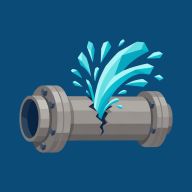
A burst pipe can create a much larger water-release problem than a slow leak.
Signs can include:
Sudden flooding, Rapid water loss, Water spraying from an exposed pipe, A sudden pressure change, Wet flooring
A crack does not necessarily have to run through an entire pipe to create a leak.
A localized crack may affect one section or connection and may require a spot repair. If the problem is concentrated around a joint, replacing an entire plumbing system.
Drain pipes can fail underneath sinks, inside walls, beneath floors, or underneath a home.
A damaged kitchen drain line can cause: Water under the sink, Leaking connections, Wet areas underneath the home, Slow drainage
Some pipe leaks develop slowly.
You may notice:
Repeated dampness,
A recurring water stain,
Higher-than-usual water usage, Musty areas.
PVC piping can be used in residential drainage and sewer systems.
Problems may include:
Cracked PVC, Broken PVC
Separated PVC joints, Damaged PVC drain sections, Cracked sewer pipe.
A cracked sewer line can create drainage problems, odors, backups, or leakage around the damaged section.
Littleton homeowners may encounter sewer pipe problems involving:
Cracked sewer pipe, PVC sewer lines, Root intrusion, Separated pipe joints,
Underground pipes can fail without producing an obvious indoor leak.
Possible signs include:
Water coming out of the ground, Unexpected wet soil, Pooling water, Unexplained water usage, Sagging Drain Pipes
This site focuses on homeowners dealing with residential pipe problems in Littleton, Colorado.
Common situations include:
If you're currently shopping around for estimates, having the location and type of pipe problem available can make it easier to explain the situation and determine what type of service may be appropriate.
A pipe inside a wall can leak without being immediately visible.
Water may travel along framing or other building components before appearing in a different location.
For example, you may see water coming through a wall while the actual pipe crack is located higher, lower, or farther along the wall cavity.
Signs can include:
- Wet drywall
- Discoloration
- Bubbling paint
- Damp baseboards
- Musty odors
- Repeated moisture
- Water appearing near electrical fixtures
If water is actively reaching an electrical area, avoid touching wet electrical components and seek appropriate emergency assistance.
Broken Pipes Underneath the House
A broken pipe underneath a house can be particularly difficult to identify from inside the living space.
Possible situations include:
- A broken drain line
- A cracked sewer pipe
- A leaking water line
- A separated pipe joint
- A sagging drain section
- A septic-related line problem
- A damaged PVC pipe
A homeowner may simply know that "the pipe is busted underneath the house."
The exact location and type of pipe should be established before deciding how extensive the repair needs to be.
PVC, Sewer and Drain Pipe Repairs
Localized PVC Pipe Cracks
Not every damaged pipe requires replacing an entire plumbing system.
If a PVC sewer or drain line has a localized crack, the appropriate solution may involve repairing or replacing the affected section depending on the condition and accessibility of the pipe.
For example, a homeowner may describe the problem as:
| A localized crack in a PVC sewer line with some root intrusion.
That type of description gives the service provider useful information about the suspected pipe material, location, and type of damage.
Root Intrusion
Tree roots can enter or affect sewer pipe systems when there is an opening, crack, failed joint, or other point of entry.
Root intrusion can contribute to:
- Recurring blockages
- Slow drainage
- Sewer backups
- Cracked pipe sections
- Damaged joints
A pipe affected by roots may require more than simply clearing the immediate obstruction.
Kitchen Drain Pipe Damage
A kitchen sink drain line can extend from the sink area into the home's drainage system.
A homeowner might describe the problem as:
| A black PVC two-inch drain line from my kitchen sink to underneath the house.
That description points toward a specific drain-line problem rather than a simple clogged sink.
Main Line Connections
Residential plumbing can include lines connecting the home to larger drainage or water systems.
A homeowner may describe the location as:
| The pipe going from inside the house to the main.
Knowing whether the affected pipe is a water supply line, drain line, sewer line, or another system is important when determining the appropriate repair approach.

A pipe inside a wall can leak without being immediately visible.
Water may travel along framing or other building components before appearing in a different location.
For example, you may see water coming through a wall while the actual pipe crack is located higher, lower, or farther along the wall cavity.
Signs can include:
- Wet drywall
- Discoloration
- Bubbling paint
- Damp baseboards
- Musty odors
- Repeated moisture
- Water appearing near electrical fixtures
If water is actively reaching an electrical area, avoid touching wet electrical components and seek appropriate emergency assistance.
Broken Pipes Underneath the House
A broken pipe underneath a house can be particularly difficult to identify from inside the living space.
Possible situations include:
- A broken drain line
- A cracked sewer pipe
- A leaking water line
- A separated pipe joint
- A sagging drain section
- A septic-related line problem
- A damaged PVC pipe
A homeowner may simply know that "the pipe is busted underneath the house."
The exact location and type of pipe should be established before deciding how extensive the repair needs to be.
PVC, Sewer and Drain Pipe Repairs
Localized PVC Pipe Cracks
Not every damaged pipe requires replacing an entire plumbing system.
If a PVC sewer or drain line has a localized crack, the appropriate solution may involve repairing or replacing the affected section depending on the condition and accessibility of the pipe.
For example, a homeowner may describe the problem as:
| A localized crack in a PVC sewer line with some root intrusion.
That type of description gives the service provider useful information about the suspected pipe material, location, and type of damage.
Root Intrusion
Tree roots can enter or affect sewer pipe systems when there is an opening, crack, failed joint, or other point of entry.
Root intrusion can contribute to:
- Recurring blockages
- Slow drainage
- Sewer backups
- Cracked pipe sections
- Damaged joints
A pipe affected by roots may require more than simply clearing the immediate obstruction.
Kitchen Drain Pipe Damage
A kitchen sink drain line can extend from the sink area into the home's drainage system.
A homeowner might describe the problem as:
| A black PVC two-inch drain line from my kitchen sink to underneath the house.
That description points toward a specific drain-line problem rather than a simple clogged sink.
Main Line Connections
Residential plumbing can include lines connecting the home to larger drainage or water systems.
A homeowner may describe the location as:
| The pipe going from inside the house to the main.
Knowing whether the affected pipe is a water supply line, drain line, sewer line, or another system is important when determining the appropriate repair approach.

The first step is understanding what is happening and where the water is appearing.
Useful information includes:
• Where you first noticed water
• Whether water is still flowing
• Whether the main supply has been shut off
• Whether the pipe is visible
• Whether the pipe is inside a wall
• Whether it is underneath the house
• Whether it is underground
• Whether it is PVC, copper, or another material
• Whether the issue involves a sewer or drain line
Locate the Damaged Section
The visible water is not always the location of the actual pipe failure.
Water can travel through:
• Walls
• Floors
• Framing
• Crawlspaces
• Soil
• Drainage pathways
The goal is to identify the actual damaged section rather than repairing only the place where water becomes visible.
Determine the Type of Failure
The problem may involve:
• A crack
• A complete break
• A burst
• A failed joint
• A separated connection
• Root intrusion
• A sagging pipe
• A damaged underground section
Repair the Affected Section
Depending on the condition and accessibility of the pipe, the repair may involve a localized repair, connection repair, or replacement of the damaged section.
Test the Repair
After the repair, the affected plumbing should be checked to determine whether the leak has stopped and whether the repaired section is functioning properly.
Check for Secondary Water Damage
A broken pipe can affect materials around the plumbing.
Depending on where the leak occurred, water may have reached:
• Drywall
• Flooring
• Baseboards
• Cabinets
• Insulation
• Framing
• Subfloor
• Areas underneath the house
The plumbing repair and property-damage cleanup may involve different services, so homeowners should understand what needs attention after the pipe itself is repaired.
If you are saying "I need someone now," the most important information to provide is where the water is coming from, whether it is still flowing, and whether the water supply has been shut off.
If you are dealing with an active leak, burst pipe, or sudden pipe failure, ask about possible same-day service when you call.
Availability can depend on the location, type of pipe, accessibility, current workload, and urgency of the situation.
If you are calling several providers because you are shopping around for estimates, explain the problem clearly and ask what information they need to provide a quick estimate.
Simply explain what you can see.
For example:
"I can see where the water is coming out of the cracked PVC."
Or:
"There was water coming out of the ground."
Or:
"It's a pipe busted underneath the house."
Those details can help explain the situation before an inspection.
Broken pipes can develop for different reasons.
Freezing Conditions
Cold temperatures can place stress on water-filled pipes, particularly in vulnerable or poorly protected areas.
Age and Deterioration
Older pipe materials and connections can deteriorate over time.
High Water Pressure
Excessive pressure can put additional stress on pipes and connections.
Physical Damage
Pipes can be damaged by movement, construction activity, impact, shifting materials, or other physical conditions.
Failed Pipe Joints
A connection between two pipe sections can become damaged or separated.
Root Intrusion
Roots can affect sewer and drain pipes where openings or damaged sections allow intrusion.
Ground Movement
Underground pipes can be affected by movement in surrounding soil.
Sagging or Poorly Supported Drain Lines
Drain pipes can develop low sections that interfere with normal drainage.
The actual cause should be determined from the specific pipe and property rather than assuming every broken pipe has the same cause.
If it is safe to do so, shut off the water supply to the affected area or the home's main supply and move belongings away from the water. Then arrange for the pipe problem to be assessed and repaired.
A localized PVC pipe problem may be repairable depending on the location, condition, accessibility, and extent of the damage.
Yes. A sewer line can develop a localized damaged section. Root intrusion, deterioration, joint problems, and other conditions can contribute to sewer pipe damage.
Possible signs include unexplained moisture, water accumulation, drainage problems, odors, low pressure, wet soil, or water appearing in areas connected to the plumbing underneath the home.
A sagging drain pipe can create a low section where water and waste may collect. The affected section should be evaluated to determine the appropriate repair.
Call Now: +1-720-912-7064
Legal Disclaimer
brokenwaterpiperepairlittleton.com is a free service to assist homeowners in connecting with local service providers. All contractors/providers are independent and this site does not warrant or guarantee any work performed. It is the responsibility of the homeowner to verify that the hired contractor furnishes the necessary license and insurance required for the work being performed. All persons depicted in a photo or video are actors or models and not contractors listed on this site.
© Copyright 2026 - All Rights Reserved Privacy Policy Disclaimer Terms
Offline Website Software
Broken Pipe Repair in Littleton, CO
We focus on residential broken pipe problems in Littleton and surrounding service areas.
The site can be expanded with dedicated location pages for relevant Littleton ZIP areas, including:
Littleton
80122
Littleton
80123
Littleton
80124
Littleton
80125
Littleton
80126
Littleton
80127
Littleton
80128
Littleton
80129
Littleton
80130
Littleton
80120
Littleton
80121